-
Glas gesmolten met stalen tanks (596)
-
roestvrij staaltanks (434)
-
De fusie plakte Epoxytanks (592)
-
Gegalvaniseerde stalen tanks (321)
-
De Daken van de aluminiumkoepel (1316)
-
Opbergtanks voor afvalwater (231)
-
gelaste stalen tanks (457)
-
Drukvaten (295)
-
Anaërobe Autoclaaf (201)
-
Industriële Watertanks (349)
-
Gelaagde stalen tanks (180)
-
Vastgeboute Staaltanks (390)
-
De Tank van de modderopslag (115)
-
De Tank van de biogasopslag (173)
-
Leachatopslagtanks (133)
-
Landbouwwateropslagtanks (179)
-
Brandwatertank (166)
-
Graanopslagplaatsen (146)
-
Biogas projecten (425)
-
Waterzuiveringsinstallatieprojecten (788)
-
Doppel membraan dak (223)


|
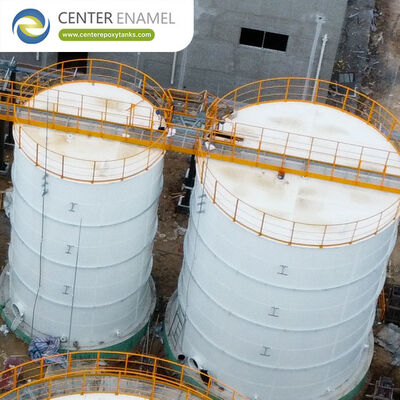
FBE Plastics Silos Engineering Zuivere, besmettingvrije opslag van polymerpellets, harsen en vlokken
| Plaats van herkomst: | China |
| Merknaam: | CEC TANKS |
| Certificering: | ISO 9001:2008, AWWA D103 , OSHA , BSCI |
| Modelnummer: | W201691123005 |
| Min. bestelaantal: | 1SET |
| Prijs: | $5000~$20000 one set |
| Verpakking Details: | PE poly-foam tussen elke twee stalen platen; houten pallet en houten doos |
| Levertijd: | 0-60 dagen nadat de storting is ontvangen |
| Betalingscondities: | L/C, T/T |
| Levering vermogen: | 60 sets per maand |
|
Detailinformatie |
|||
| Plaats van herkomst | China | Merknaam | CEC TANKS |
|---|---|---|---|
| Certificering | ISO 9001:2008, AWWA D103 , OSHA , BSCI | Modelnummer | W201691123005 |
| Dikte van stalen platen: | 3 mm tot 12 mm, afhankelijk van de tankstructuur | Corrosie-integriteit: | Uitstekend |
| Chemische weerstand: | Uitstekend | Capaciteit: | 20 m3 tot 18.000 m3 |
| Levensduur: | ≥30 jaar | Permeabiliteit: | Gas / vloeistof ondoordringbaar |
| Markeren: | FBE-silos voor de opslag van polymeren,verontreinigingsvrije harsopslag silo's,Fusiegebonden epoxypellet-silos |
||
Productbeschrijving
FBE Plastics Silos: Ingenieursreiniging, verontreinigingsvrije opslag van polymerpellets, harsen en vlokken
In de wereldwijde kunststofproductie, -verbinding en -recycling is het behoud van de zuiverheid van de grondstof de basis van de productkwaliteit.en opnieuw malen van vlokken een unieke uitdaging met betrekking tot het materiaal hanterenPlastics zijn zeer gevoelig voorexterne vochtigheidenkruisbesmettingBovendien veroorzaakt het pneumatisch vervoeren van plastic pellets bij hoge snelheden een intense wrijving, wat leidt tot een fenomeen dat bekend staat als"Engelhaar" of "Streamer"(dunne plastic lintjes ontstaan door wrijving door smelting tegen silowanden).
De ophoping van statische elektriciteit is een ander constant gevaar in de opslag van polymeren, waardoor het risico op materiaalklemmen, verstoppingen en brandbare stofontploffingen in poedertoepassingen toeneemt.
Vanaf 2026,Silos van gespeld epoxy (FBE) staal¢ontworpen met behulp van nauwkeurige RTP-ontwerpen (Rolled, Tapered Panel) ¢zijn de wereldwijde technische basislijn geworden voor opslag van hoogwaardige kunststoffen.Door de hoge treksterkte van koolstofstaal te combineren met een geavanceerde, moleculair gekruiste polymeervoering, FBE-silos bieden een gladde, besmettingvrije en gasdichte omgeving die de polymeer eigenschappen beschermt terwijl de efficiëntie van de installatie wordt geoptimaliseerd.
1Wat is een FBE Plastics Silo?
Een FBE-plasticsilo is een modulair droge bulkopslagvat dat is vervaardigd van hoogwaardige koolstofstaalpanelen die in de fabriek zijn bekleed met een thermovast epoxyhars met een hoge prestatie.
In tegenstelling tot traditionele vloeibare verven die op het veld worden aangebracht, die zeer kwetsbaar zijn voor omgevingsvochtigheid, overspray en onevenwichtige dikte tijdens de aanwending ter plaatse, zijn de vloeibare verven die op het veld worden aangebracht, zeer kwetsbaar voor luchtvochtigheid, overspray en onevenwichtige dikte tijdens de aanwending ter plaatse.Epoxy met fusiebondenHet proces vindt plaats onder strikte fabrieksgecontroleerde omstandigheden.Sa 2.5 / SSPC-SP10), vooraf verwarmd tot een temperatuur tussen180°C en 230°CHet poeder smelt, stroomt, wordt gevormd door een elektrostatische spuit met een droog polymeerpoeder.en chemisch kruisverbindingen in een geautomatiseerde verhardingsoven om een onafscheidelijke beschermende barrière te vormen die permanent aan het stalen substraat is gebondenDit creëert een hoge dichtheid, glazen gladde binnenste bekleding die de structurele stalen schaal volledig isoleert van de opgeslagen polymeren.
2. Technische prestaties: bescherming van de kwaliteit van de polymeren en de processtroom
In silo's die plastic opslaan zijn verschillende fysieke en milieustressoren aanwezig die de grondstoffen kunnen afbreken als het afsluitingssysteem defect is.FBE technologie behandelt deze agressieve droge bulk krachten door middel van verschillende kritische ontwerp metrics:
Absolute voorkoming van besmetting (nul uitloging)
Voor hoogwaardige toepassingen zoals medische apparatuur productie, voedselcontact verpakkingen, en automotive optica,Zelfs sporen van roestvlokken of schubben van een silowand zullen een hele productiebatch ruïneren.De inerte, fabrieksgebonden structuur van FBE elimineert het risico op interne oxidatie, schilfering of chemische uitloging, waardoor harsen en ongebruikte pellets volledig zuiver blijven.
Verminderde wrijving en vermindering van "engelenhaar"
Wanneer plastic pellets pneumatisch in een ruwe silo worden geblazen, genereert de wrijving lokale warmte die de huid van de pellets smelt, waardoor er lang,vezelvormige plastic strengen, zogenaamde "engelhaar"Deze strengen verstoppen vacuümlijnen, blinde materiaal schermen, en verstoren geautomatiseerde extrusie lijnen.het minimaliseren van schilfering en het stroomlijnen van het laden met hoge snelheid.
Antistatische oppervlakteveiligheid en brandbare stofverdediging
De voortdurende wrijving van bewegende kunststofdeeltjes creëert hoge statische elektrische velden.het veroorzaken van catastrofale stofontploffingen. FBE-coatings kunnen worden geformuleerd met gespecialiseerde antistatische of dissipatieve middelen. Bovendien ondersteunt het gladde oppervlak een voorspelbaar, eerste in, eerste uit (FIFO) massa-stroomontladingspatroon,het elimineren van stagnerende "dode zones" waar statische ladingen zich ophopen.
Flexibiliteit en slagvastheid ten opzichte van gebroken glazen bekleding
Hoewel glazen glasvoeringen (Glass-Fused-to-Steel) een hoge oppervlakhardheid bieden, zijn ze inherent broos.Of microverbreking bij zware mechanische aanvallen, zoals structurale trillingen van zware fluidiserende activatorenAls glasfragmenten in een polymerenstroom afsplitsen, kunnen ze de spuitgietschroeven verderop vernietigen en de eindproducten verontreinigen.FBE is een flexibel thermoset polymeer dat dynamisch buigt langs het stalen paneel, met een superieure chip-, breuk- en inslagweerstand.
3. Vergelijkingsmatrix: FBE vs. roestvrij staal vs. aluminium silo's in plastic opslag
| Technische prestatiekenmerken | FBE gespeld staal silo | Gelast roestvrij staal (304/316) | Aluminium silo |
| Verontreiniging / roestpreventie | Uitzonderlijk(Inerte polymere barrière) | Uitzonderlijk | Uitzonderlijk |
| Risico van materialenkrassen/ slijtage | Minimaal(Tough Thermoset Hars) | Laag | Gematigd (zacht metaal dat gevoelig is voor scoren) |
| Wereldwijde transportlogistiek | Uitstekend.(Flat-packed panels) | Slecht (vereist overgrote vracht) | Slecht (vereist overgrote vracht) |
| Tijdlijn van de installatie ter plaatse | Heel snel.(Weken via grondjack) | Gematigd (intensief veldlassen) | Gematigd |
| Modulaire schaalbaarheid | - Ja, dat klopt.(Panelen kunnen worden toegevoegd aan de schaal) | - Nee, niet echt. | - Nee, niet echt. |
| Totaal projectkapitaal (CAPEX) | Het kosteneffectiefst | Uiterst hoog | Hoog |
4. Ingenieursontwerpstandaarden en wereldwijde naleving
Om te voldoen aan strenge criteria voor civiele bouw, industriële veiligheidsvoorschriften en internationale aanbestedingsvormen (zoals die welke worden beheerd door wereldwijde producenten van petrochemie en polymeren),In de eerste plaats is het belangrijk dat de Europese Commissie in de loop van het jaar de nodige inspanningen levert om deCentrumglazuur (Shijiazhuang Zhengzhong Technology)voldoen aan de volgende internationale codes:
1.AWWA D103-19 (punt 12.6):De wereldwijde benchmark-standaard voor fabrieksgecoate gespeld koolstofstaal opslagstructuren, die de structurele berekeningen verifieert tegen hoopspanning, compressie en dynamische droge bulkdrukprofielen.
2.ISO 28765:2016:Het bepalen van de hoogwaardige coatingsdikte, kwaliteitscontroles en nuldiscontinuïteitsparameters voor industriële boutencontainment.
3.ASCE 7-22 / Eurocode 3 (deel 4-1):Specifieke structurele ontwerpcriteria voor silo's, om ervoor te zorgen dat de modulaire panelen nauwkeurig berekenen voor asymmetrische belastingen met een hoge dichtheid, interne vacuümdrukken tijdens snelle ontlading,en externe windbelastingen tot250 km/u¢kritisch voor blootgestelde industriële installaties.
4.ATEX-richtlijn / NFPA 652:Normen inzake de basisprincipes van de veiligheid van brandbaar stof, waarbij de naadloze integratie van ontploffingsventilatiepanelen, stikstof ($text{N}_2$) zuiverende dekens,en aardingskoppen om statische ophoping volledig te ontlasten.
5. Strategische toepassingen in de hele leveringsketen van polymeren
FBE-structuur voor droge bulkwerken dient als kritische procesknooppunten in meerdere sectoren van de productie en verwerking van kunststoffen:
●Petrochemische harsproductie-installaties:Het opslaan van grote hoeveelheden nieuw gesynthetiseerde polyethyleen (PE), polypropyleen (PP), polystyreen (PS) of polyvinylchloride (PVC) -pellets rechtstreeks stroomafwaarts van de pelletizer-eenheden voordat ze in bulk worden verzonden.
●Plastic Compounding & Masterbatch-installaties:Functioneert als intermediaire opslagbakken die basisharsen bevatten voordat ze worden gemengd met kleurconcentraten, vlamvertragers of glasvezelversterkers.
●Injectievormings- en extrusieinstallaties met een groot volume:Als primaire grondstof silo's dienen, die gecentraliseerde vacuümtransportlijnen voeden voor de productie van auto's, verpakkingen en consumptiegoederen.
●Inrichtingen voor het recyclen en opnieuw slijpen van polymeren:Het beheer van de bulkopslag van gewassen plastic vlokken, versnipperde, na consumptie opnieuw gemalen en gerecycleerde pellets voor pelletizing.
Het optimaliseren van de ROI van de verwerking van polymeren
Voor ingenieurs van kunststoffabrieken, operationele directeuren en EPC-aannemers van industriële infrastructuur die willen optimaliserenInvesteringsopbrengst (ROI), deFBE-geboottelde staalpolymer siloDoor gebruik te maken van een modulaire top-down assemblage methode met gesynchroniseerde hydraulische aansluiting systemen, worden deze silo's volledig vanaf de grond opgebouwd.Dit elimineert de noodzaak voor hooggelegen steigers, kraanverhuur of gecertificeerde veldsweisers, waardoor de installatietijden met maximaal60%Door de extreme kapitaalkosten van roestvrij staal- of aluminiumvaten te elimineren en een flexibel, breukbestendig alternatief te bieden dat de zuiverheid van het product garandeert, zorgt FBE-technologie voor veilige,continu en onderhoudsarme polymerbeheer voor een levensduur van meer dan30 jaar.
Ontwerpt u momenteel een polymer extrusie faciliteit, plannen van een plastic recycling fabriek uitbreiding, of het upgraden van een hars compounding systeem,En wil je een gedetailleerd technisch voorstel, inclusief structurele berekeningen van de nuttige lading?, afmetingsconfiguraties en technische tekeningen voor uw polymeervolume?