-
Glas gesmolten met stalen tanks (596)
-
roestvrij staaltanks (434)
-
De fusie plakte Epoxytanks (592)
-
Gegalvaniseerde stalen tanks (321)
-
De Daken van de aluminiumkoepel (1316)
-
Opbergtanks voor afvalwater (231)
-
gelaste stalen tanks (457)
-
Drukvaten (295)
-
Anaërobe Autoclaaf (201)
-
Industriële Watertanks (349)
-
Gelaagde stalen tanks (180)
-
Vastgeboute Staaltanks (390)
-
De Tank van de modderopslag (115)
-
De Tank van de biogasopslag (173)
-
Leachatopslagtanks (133)
-
Landbouwwateropslagtanks (179)
-
Brandwatertank (166)
-
Graanopslagplaatsen (146)
-
Biogas projecten (425)
-
Waterzuiveringsinstallatieprojecten (788)
-
Doppel membraan dak (223)

|
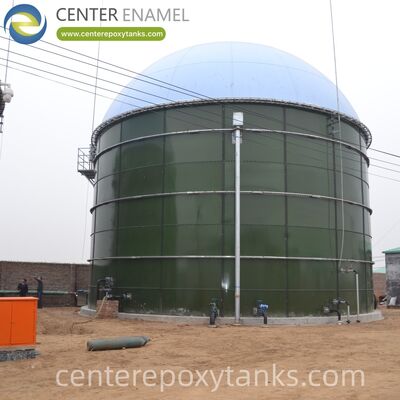
Dubbelwandige biogasopslag voor een veevoederfabriek: slaat biogas op dat wordt gegenereerd uit de vergisting van organisch voederafval of bijproducten
| Plaats van herkomst: | China |
| Merknaam: | Center Enamel |
| Certificering: | ISO 9001:2008 , AWWA D103 , OSHA , BSCI |
| Modelnummer: | Enkele en dubbele membraan daken |
| Min. bestelaantal: | 1+ |
| Prijs: | 0~99999 |
| Verpakking Details: | Houten pakket (aangepast) |
| Levertijd: | 45 dagen+ |
| Betalingscondities: | T/T, L/C |
|
Detailinformatie |
|||
Productbeschrijving
Biogashouder met dubbel membraan voor een diervoederfabriek: opslaat biogas dat is gegenereerd door de vertering van biologisch voederafval of bijproducten
EenFabriek voor diervoederDe Commissie heeft de Commissie verzocht debiologisch voederafval of bijproductenHet duurzame en milieuvriendelijke beheer van dit hoogsterke organische materiaal is van het grootste belang.Het gebruik van anaërobe vertering (AD) stabiliseert het afval effectief en genereert tegelijkertijd een waardevol energie-bijproduct: methaanrijkbiogasOm de herwinning van de hulpbronnen te maximaliseren en de afvalkosten te minimaliseren, moet het biogas betrouwbaar en veilig wordenopgeslagenDit vereist een oplossing die duurzaam, flexibel en speciaal ontworpen is om het gas dat uit devertering van biologisch voederafval of bijproducten.
De...Biogashouder met dubbel membraanHet is de optimale technologie voor deze gespecialiseerde industriële toepassing.opslaat biogas dat is geproduceerd door de vertering van biologisch voederafval of bijproductenDeze houder is geïnstalleerd als een geïntegreerd flexibel dak op de digester of als een compacte, vrijstaande eenheid, die een dynamische, hermetische tank biedt.Dit systeem zorgt ervoor dat elke kubieke meter gas wordt gevangen., worden drukschommelingen op veilige wijze beheerd en wordt een stabiele, continue toevoer gehandhaafd voor gebruik stroomafwaarts (bv. ketels of CHP-eenheden), waardoor een procesresidu wordt omgezet in een betrouwbare bron vanenergie op locatie.
Productvoordelen voor het beheer van diervoederafval met biogas
De biogashouders met dubbel membraan van Center Enamel zijn nauwgezet ontworpen om de aanzienlijke gasproductie en de schommelende belastingen die typisch zijn voor hoogbelast organisch afvalverteringsprocessen te verwerken.het maximaliseren van efficiëntie en veiligheid.
Betrouwbare gasbuffer en drukstabiliteit
De exploitatieschema's van voederinstallaties leiden vaak tot variabele afvalinvoer, wat betekent dat de biogasstroom kan fluctueren.flexibele en dynamische gasreservecapaciteit die dynamisch kan uitbreiden en samentrekken totde natuurlijke volumefluctuaties aan te passenDeze dynamische buffering is van essentieel belang voor deregelen van de lage drukHet is de bedoeling van de richtlijn om de veiligheid van de gassen te garanderen, waardoor instabiliteit van het systeem wordt voorkomen en een soepele, constante stroom naar de uitrusting wordt gewaarborgd.Deze stabiliteit is van cruciaal belang voor de bescherming van gevoelige stroomaf machines en het maximaliseren van de interne energieverschuiving van de plant.
Geïntegreerde vangst en milieucontrole
Het systeem biedt een crucialehermetische afdichtingHet is belangrijk voor beide.maximale methaanopvangen voor het aanzienlijk verminderen vangeuremissiesDe gasdichte integriteit zorgt voor de naleving van strenge milieuvoorschriften,vermindert de ontsnapte methaanemissies (een krachtig broeikasgas), en verbetert de algehele milieuprestaties van de faciliteit.
Ondersteuning van aluminiumkoepeldakken
Where maximum corrosion resistance and structural integrity are prioritized for the digester tanks—a critical requirement when dealing with corrosive organic byproducts—the Double Membrane Holder can be integrated with a tank protected by anAluminiumkoepeldakHet membraansysteem zorgt voor de essentiële flexibele gasdichte omhulsel, terwijl de aluminium koepel een superieurelangdurige corrosiebeschermingDe in de bijlage vermelde systemen zijn gebaseerd op de in de bijlage vermelde methoden.
Bedrijfsvoordelen
Center Enamel's positie als een toonaangevende wereldwijde leverancier is gebaseerd op onze diepe technische expertise en toewijding aan kwaliteit.Ons bedrijf heeft tientallen jaren bewezen ervaring in hoogwaardige isolatieoplossingen.Onze geavanceerde productiecapaciteit wordt ondersteund door:meer dan 20 patenten op het gebied van emailletechnologieen een speciaal onderzoeks- en ontwikkelingsteam gericht op innovatie.
Onze toewijding aan kwaliteit wordt aangetoond door onzestrikte naleving van internationale normenOnze producten en processen voldoen aan de meest veeleisende internationale normen, waaronder normen voor kwaliteitsmanagement, drinkwaterveiligheid en gezondheid op het werk.Deze certificeringen bieden eenonafhankelijke en controleerbare garantie van kwaliteit, veiligheid en nalevingDe Commissie heeft de Commissie verzocht om een verslag uit te brengen over de maatregelen die zij heeft genomen om de economische en sociale samenhang van de Gemeenschap te verbeteren.bewezen wereldwijde staat van dienstHet is een van de meest succesvolle projecten in meer dan 100 landen, waardoor wij een betrouwbare en deskundige partner zijn voor elk industrieel afval- of biogasproject.
Producttoepassingsgebieden
De biogashouders met dubbel membraan van Center Enamel zijn essentiële componenten in verschillende sectoren die gebruikmaken van anaërobe verteringstechnologie:
Voederfabriek:Biogas die is geproduceerd door de vertering van biologisch voederafval of bijproducten, wordt opgeslagen.
Voedselverwerkingsinstallatie:Biogas die wordt geproduceerd door de behandeling van voedsel afval en afvalwater.
Industriële biogasinstallaties:Biedt flexibele opslag van grote hoeveelheden voor efficiënte industriële energieproductie.
Biogasinstallatie:Het kerncomponent voor flexibele, lage druk gasopslag op locatie.
Wereldwijd bereik en bewezen uitmuntendheid: projectgevallen
Onze uitgebreide portefeuille van succesvolle containmentprojecten toont ons vermogen om robuuste, verzegelde en duurzame oplossingen te ontwikkelen.De volgende niet-fictieve gevallen tonen ons wereldwijde bereik en technische uitmuntendheid:
Beijing Fengtai-project voor de behandeling van voedsel afval:We hebben3 tanksDe Commissie heeft een voorstel ingediend voor een installatie voor de behandeling van voedselafval in Peking, waarin de rol van de Commissie in duurzame oplossingen voor afvalverwerking tot energie wordt benadrukt, die cruciaal zijn voor de productie van biogas.
Guizhou Tongren Project voor de behandeling van voedsel afval:We hebben2 tanksvoor een voedsel afvalverwerkingsinstallatie in Guizhou, China, om onze toewijding aan efficiënt organisch afvalbeheer te laten zien.
Muyuan Group Jiangsu Lianyungang vee afvalwaterproject:Voor een grote agrarische opdrachtgever leverden wij7 tanksvoor een project voor afvalwater voor vee, dat onze expertise in grote hoeveelheden, afgesloten landbouwcontainer toont die cruciaal is voor het beheer van biogas.
Conclusies
Voor eenFabriek voor diervoeder, is de Biogashouder met dubbel membraan een strategische investering in efficiëntie en duurzaamheid.opslag van biogas dat is geproduceerd door de vertering van biologisch voederafval of bijproducten, zorgt het voor een veilig en continu gebruik van de methaanrijke brandstof, waardoor de operationele kosten aanzienlijk worden verlaagd en het milieuprofiel van de installatie wordt verbeterd.